
Escape

Escape & Egress Hardware – Trade Supply from Duffells
Duffells stocks a comprehensive trade range of escape and egress hardware for fire exit doors and emergency escape routes. From egress mortice locks and escape nightlatches to panic bars and push pads, our range covers the most widely specified products for compliant emergency egress installations in commercial, public, and residential buildings across the UK.
Egress Mortice Locks
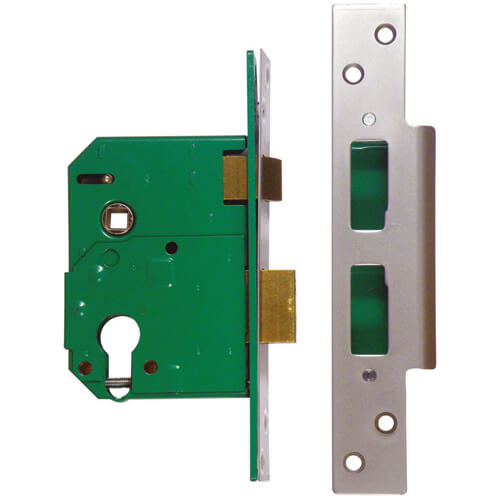
Our egress mortice locks are designed specifically for use on fire escape doors, providing immediate single-action egress from inside while maintaining controlled access from outside. These locks meet the requirements of BS 8621 and are essential on final exit doors of buildings subject to fire safety legislation.
Escape Mortice Locks
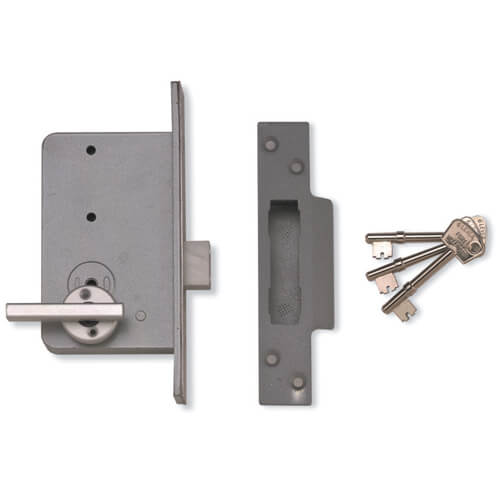
Our escape mortice locks provide keyless egress from the inside via a turn knob or lever, while requiring a key to enter from outside — meeting BS 8621 requirements for escape-only locks. These are the standard specification for hotel rooms, care homes, and residential buildings where occupants must be able to escape without a key.
Panic Hardware for Escape Routes
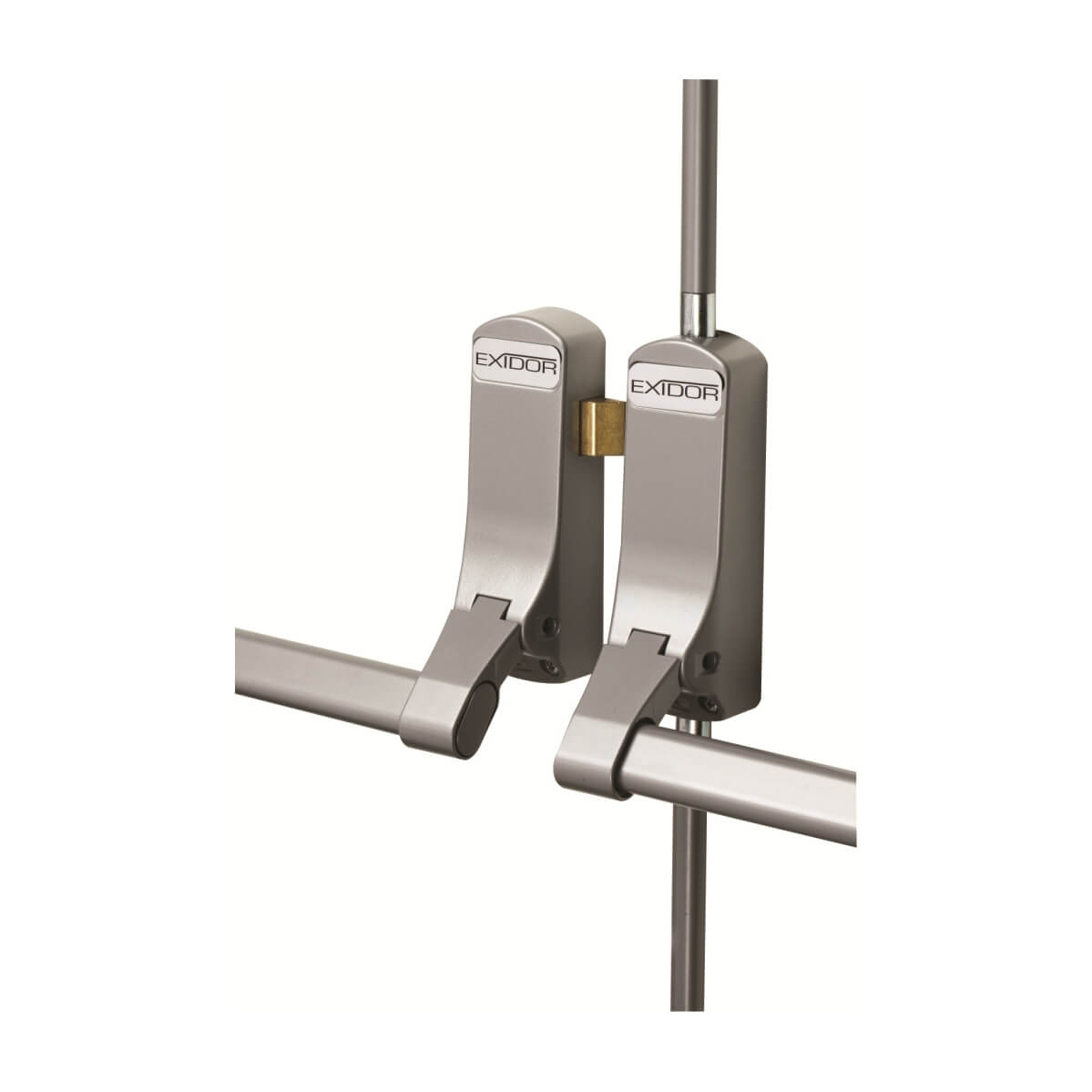
Doors on escape routes used by the general public require panic hardware certified to BS EN 1125, allowing the door to be opened by applying pressure on a crossbar. For escape routes used by informed occupants only, emergency exit hardware to BS EN 179 is acceptable. Our range covers both standards.
Escape Bolts & Flush Bolts
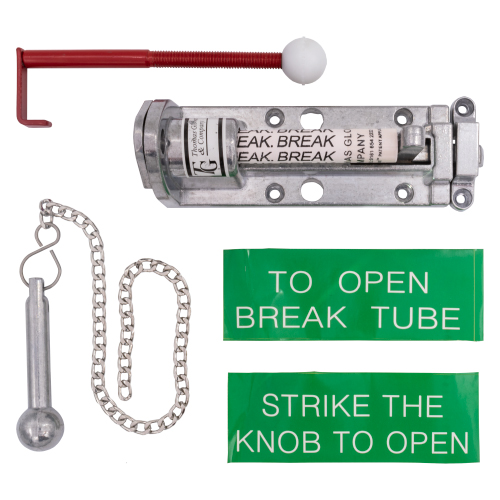
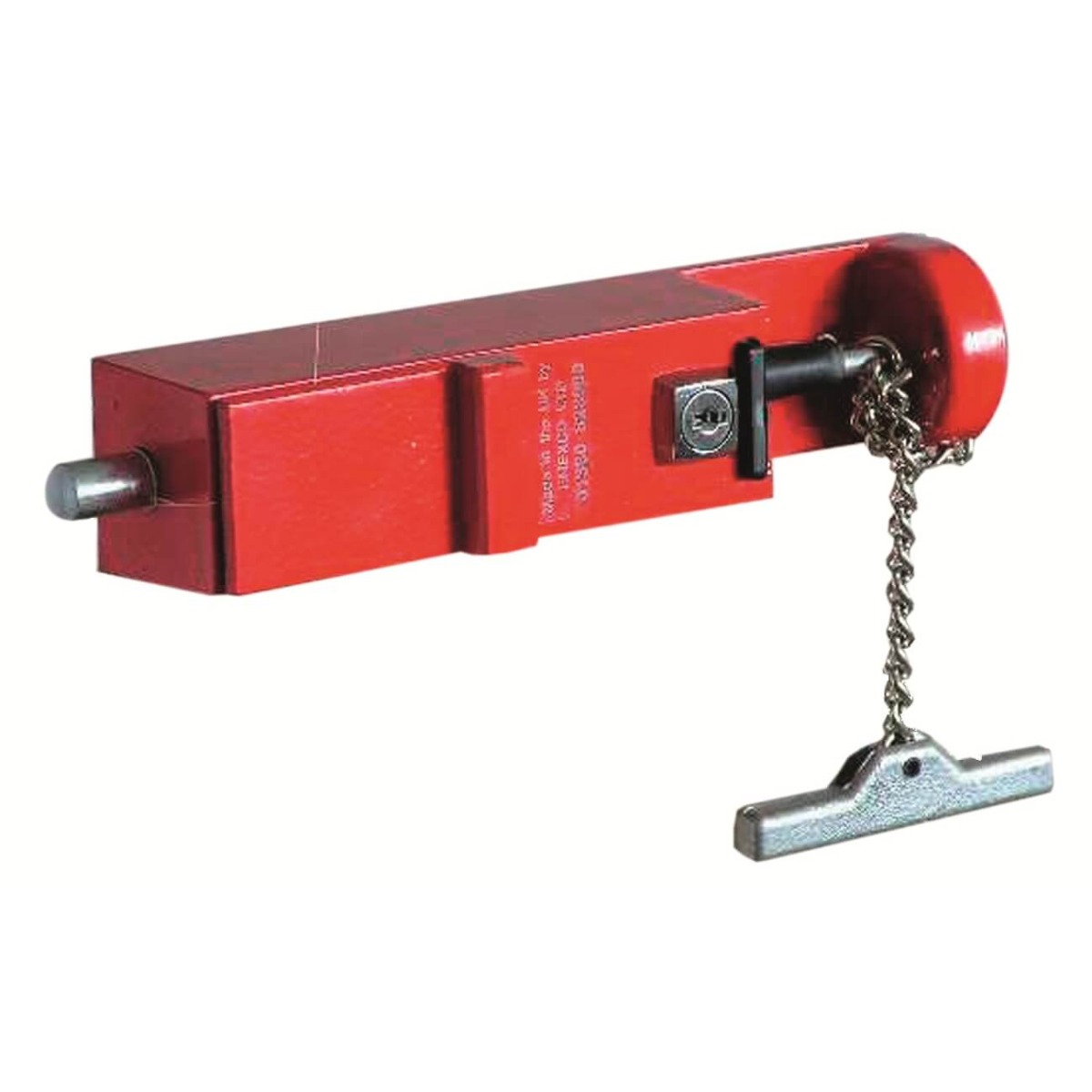
For double-door escape routes, escape bolts secure the inactive leaf while allowing immediate release in an emergency. Our escape bolt range includes both manual and automatic (coordinatable) versions for use in conjunction with panic hardware on double door sets.
High Security Escape Nightlatches
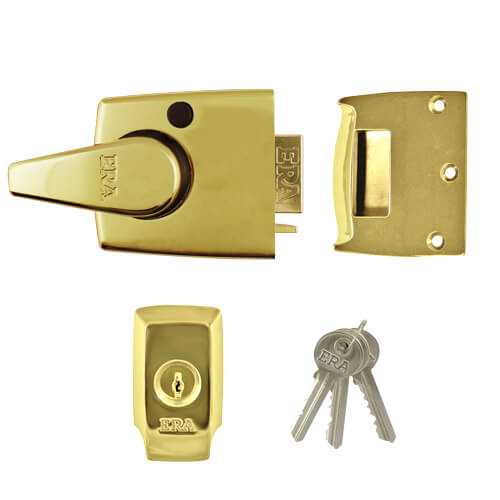
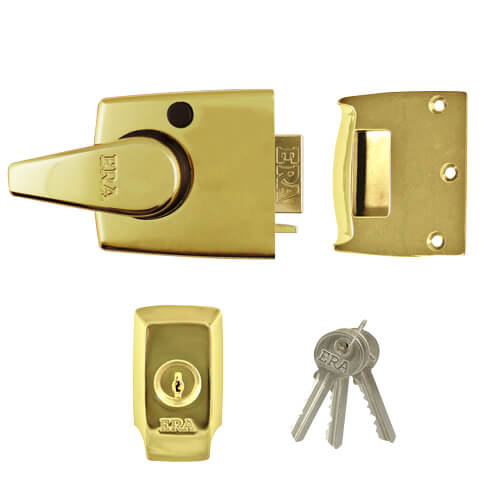
For final exit doors requiring both BS 8621 compliance and a high level of security, we stock high-security escape nightlatches with insurance-grade cylinder security. These products combine the egress requirements of fire safety legislation with the security standards expected by insurers for commercial premises.
Why Trade Customers Choose Duffells
Specifying escape and egress hardware requires an understanding of Building Regulations Approved Document B, fire safety legislation, and the relevant British Standards. Duffells' trade team can help you navigate these requirements and select the correct products for each door on an escape route — from final exit doors to internal compartment doors.
Frequently Asked Questions
What is the difference between egress and escape?
In lock hardware, "escape" typically refers to a lock that allows exit without a key from inside (BS 8621), while "egress" describes the broader function of allowing people to leave a building in an emergency. In practice, the terms are often used interchangeably, but the lock standard (BS 8621 or BS EN 1125/179) should always be checked for the specific application.
Do escape route doors need to be fire rated?
Not necessarily — it depends on the specific door's location within the building. Final exit doors to the open air do not typically need to be fire rated, but doors within the escape route that also form part of the fire compartmentation must be fire doors. Building Regulations Approved Document B and the fire risk assessment for the building should be consulted.
Can a mortice lock be used on a final exit door?
Yes, provided it is an egress mortice lock meeting BS 8621, allowing the door to be opened from inside without a key. Standard deadlocks must not be used on final exit doors as they require a key to open from both sides.
What hardware is required on a fire escape stairwell door?
Stairwell doors on escape routes typically require fire door certification, a fire rated door closer, a compliant escape latch or lock, and if accessible to the public, panic hardware to BS EN 1125. Contact our trade team for a full product specification for your project.
